
Health monitoring
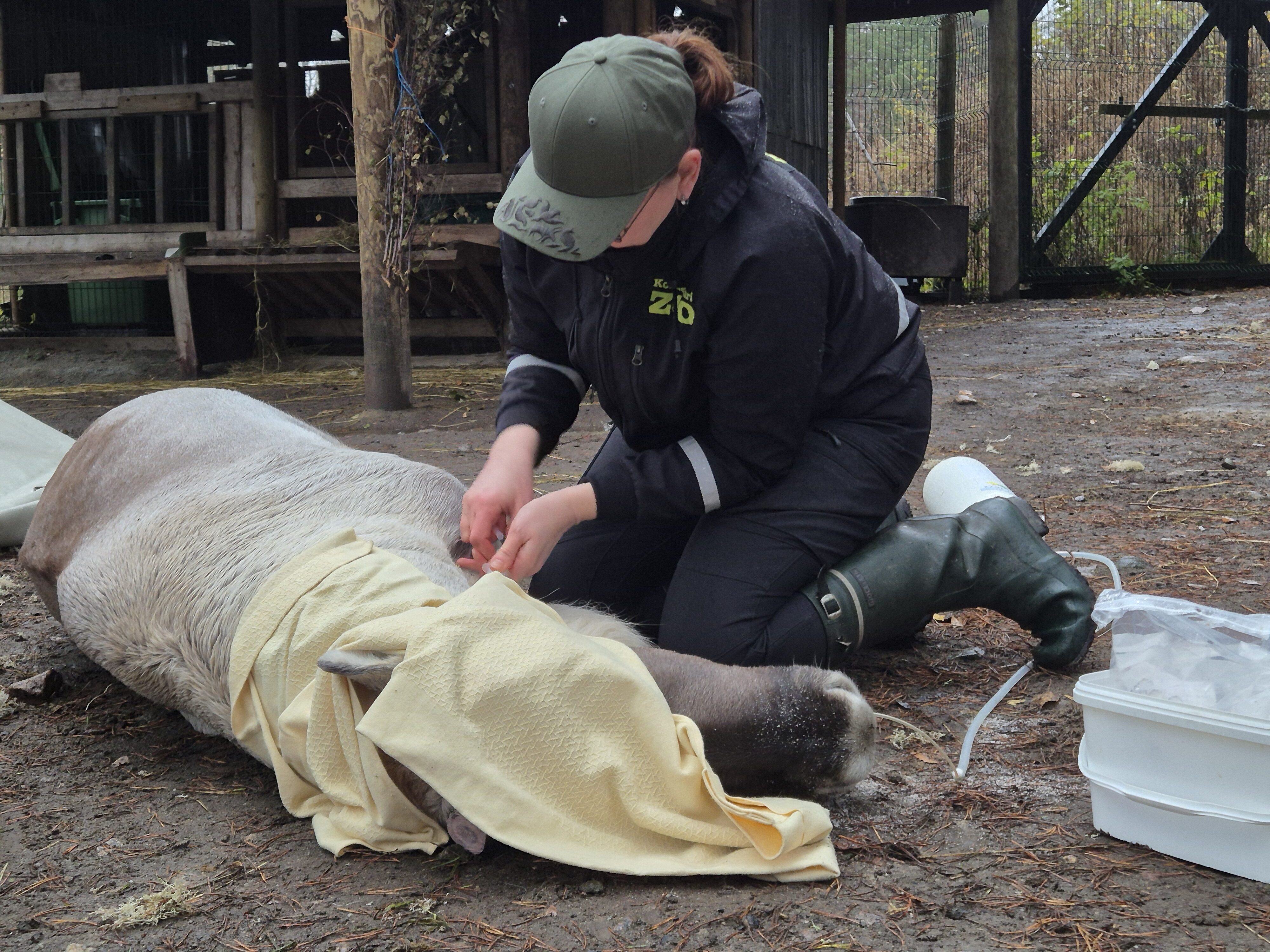
When animals move or are translocated between different populations, parasites as well as various viruses and other pathogens are always carried along. Usually, this does not cause harm: the population most likely already harbours these agents, and the arrival of a few new host animals does not fundamentally change the situation. Problems arise especially when pathogens enter a population for the first time, or if they cause severe symptoms in the animals.
WFR are not known to carry parasites or pathogens that are particularly dangerous to them or to other species, and naturally we do not want the situation to change as a result of reinforcements and reintroduction. Therefore, in this project we will systematically investigate which pathogens the WFR born in zoos and designated for reinforcements and reintroduction carry, and we will compare the results with individuals living in the wild. In addition, the zoos will continue their routine sampling. All WFR moved between zoos, or from zoos to breeding enclosures, have been tested and will be tested, for example for paratuberculosis.
This part of the project is led by Korkeasaari Zoo. Ranua Wildlife Park, Metsähallitus Parks & Wildlife Finland, and the Natural Resources Institute Finland (Luke) will participate in sample collection. Luke will also identify pathogens from WFR genome sequencing data, which are collected in the project primarily to develop cost-effective DNA tools for distinguishing WFR from semi-domestic reindeer.
Last updated 18 May 2026