
VAMOS 2100
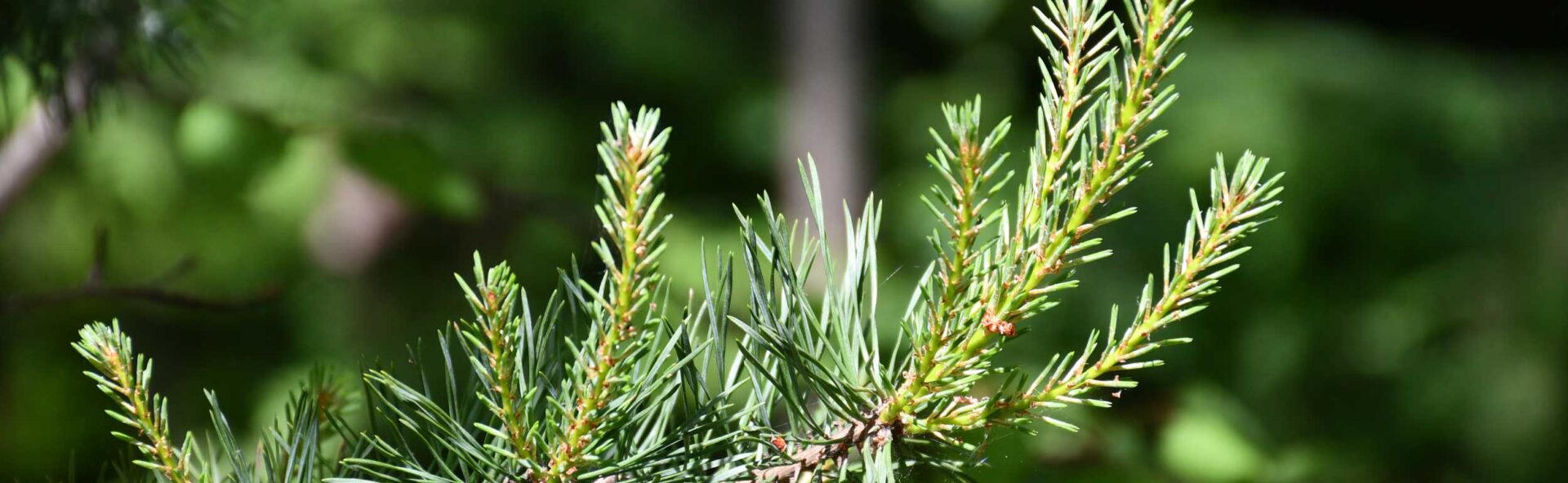
The goal of the programme titled VAMOS 2100, or Climate change adaptation in Finland’s state-owned multiple-use forests 2025–2100, is to ensure the well-being, biodiversity and productivity of state-owned forests as climate change is affecting the operating environment.
Background and objectives of the programme
The objective of VAMOS 2100, a programme drawn up by Metsähallitus Forestry Ltd, is to develop silviculture and the management of forest damage risks with the aim of supporting adaptation to climate change. The programme aims to safeguard the vitality, biodiversity and productivity of forests and to help guide Forestry Ltd’s decision-making and measures over the long term.
Climate change leaves its mark on forests
Climate change is having a two-fold impact on forests. The warming of the climate and extending growing season may increase tree growth and carbon sequestration, especially in northern areas and pine forests. The magnitude of this impact will depend on nutrients, water management and tree species.
On the other hand, a warming climate favours insects and diseases, increasing the risks of forest damage. The average/mean temperature will rise, rainfall will increase and extreme weather events, including storms, droughts and rainstorms will intensify, making the growing conditions of forests more varied and uncertain. The temperature has been rising for decades and will continue to do so towards the end of the century. It is predicted that by 2100, temperatures will have risen by 2 to 5°C.
What will the project do?
We will promote adaptation by developing silviculture measures
The measures of the Climate change adaptation programme for 2026–2030 focus on developing silviculture practices, building up research evidence and preparing for forest damage.
1. We will develop silviculture practices
- We will diversify the range of tree species by promoting mixed cultivation, mixed-species forest management and the cultivation of silver birch and noble broadleaves on suitable sites.
- We will develop peatland management chains, update thinning practices and adjust rotation periods and harvesting methods based on risk levels.
- We will focus on ensuring regeneration results in Northern Finland, and increase the use of improved forest reproductive material.
2. We will build up research evidence and the knowledge base
- We will strengthen the research and knowledge base for climate adaptation by studying tree growth regulation, improving resilience, and exploring the potential of vegetative propagation in Scots pine.
- We will improve preparedness for forest damage risks by identifying areas vulnerable to root rot and other damage agents and by assessing the impacts of drought on the vulnerability of Scots pine.
- We will enhance the knowledge base through analyses of National Forest Inventory data and assessments of forest development under alternative future scenarios.
3. We will prepare for forest damage risks
- We will update our preparedness plans for extensive damage and identify critical forest road infrastructure and resources.
- We will develop damage reporting and monitoring systems, damage identification based on remote sensing and risk predictions.
- We will also look at preparing for drought damage and reducing the risks of moose s damage.
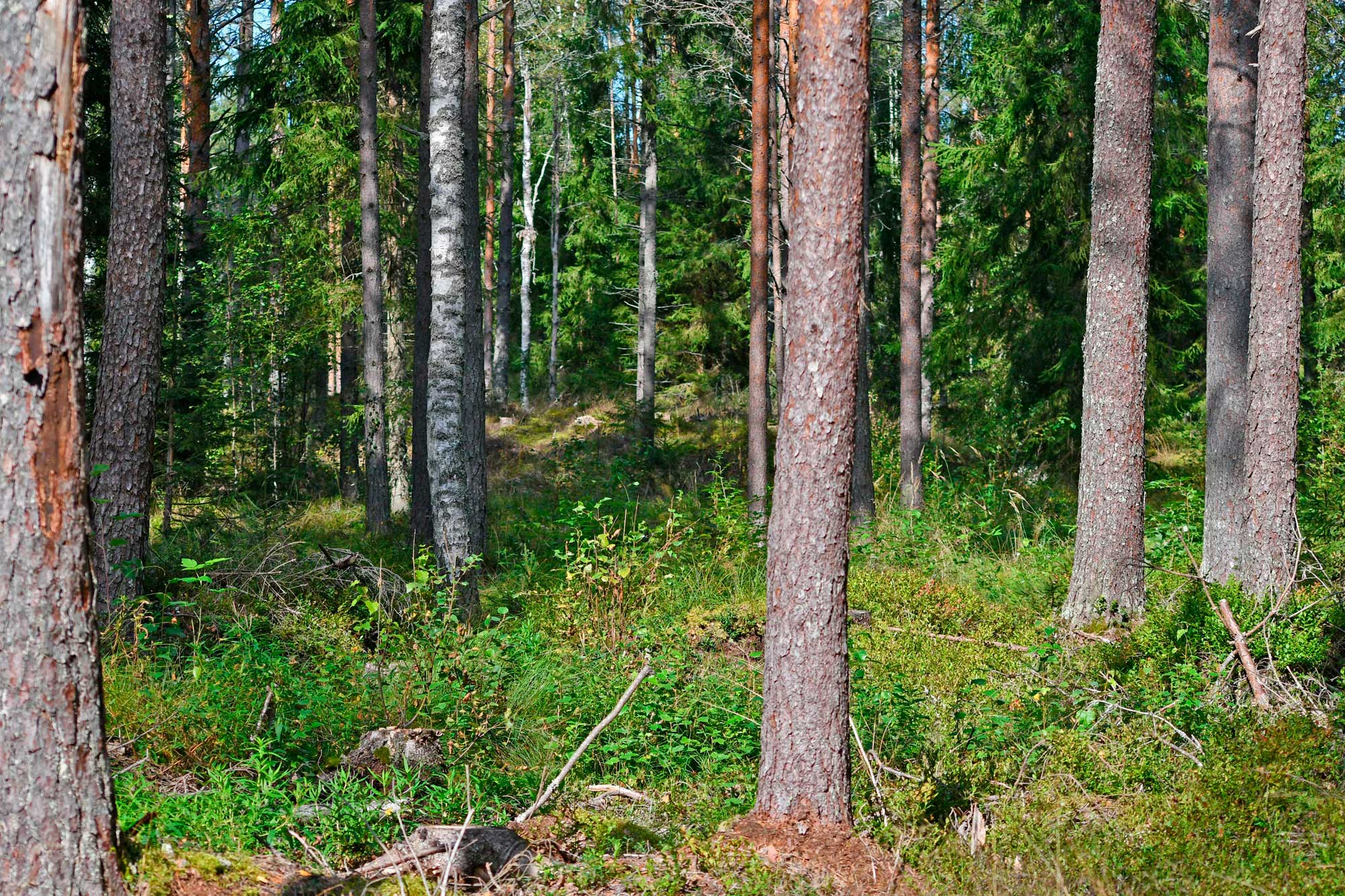
One of the actions of the project is developing silviculture practices, including by increasing mixed stands to diversity the range of forest tree species. Photo: Laura Kammonen.
VAMOS 2100 will strengthen research collaboration
We intend to get involved in producing research evidence that will benefit society at large and promote climate change adaptation in our forests. The largest effort will be co-financing a doctoral dissertation project titled IlmastoMänty, which will be carried out in collaboration with the Natural Resources Institute Finland and University of Helsinki. A number of projects relating to the changing climate and silviculture are under way and about to be launched, and our contributions to them will include funding, expertise or pilot sites.
IlmastoMänty
IlmastoMänty (ClimatePine) – Towards climate resilient silviculture: Regulation of tree growth rhythms and improving the adaptability of trees is a research project that seeks solutions to managing pine forests in changing conditions. The project will be carried out in 2026–2029.
Read more about this project at www.metsa.fi/ilmastomanty
Further information:
Saija Huuskonen
Last updated 20 October 2026