Complete lists contribute valuable data also on common species
This text was published in the blog of Priodiversity LIFE. Check out the other blog posts as well (metsa.fi).
28.2.2025
In Finland, outside coordinated monitoring projects and especially within citizen science species observation data is often collected mainly as simple presence records. However, using data that includes both presence/absence and species abundance provides a much more precise and reliable foundation for analyzing changes in species populations and distributions.
Citizens who can identify insects, plants, fungi, reptiles, and amphibians can contribute to more systematic observation data anywhere and anytime by filling in Complete Lists. In a complete list, all species observed during an outing are recorded – not just individual observations. This way, information is gathered not only about the species that were observed but also those that were not encountered. The value of Complete Lists lies in the ability to capture information about absences. Since observers mark common species every time they see them, a substantial amount of data is collected on their abundance as well. This makes Complete Lists especially useful for monitoring common species, as changes among them can indicate broad alterations in their habitats.
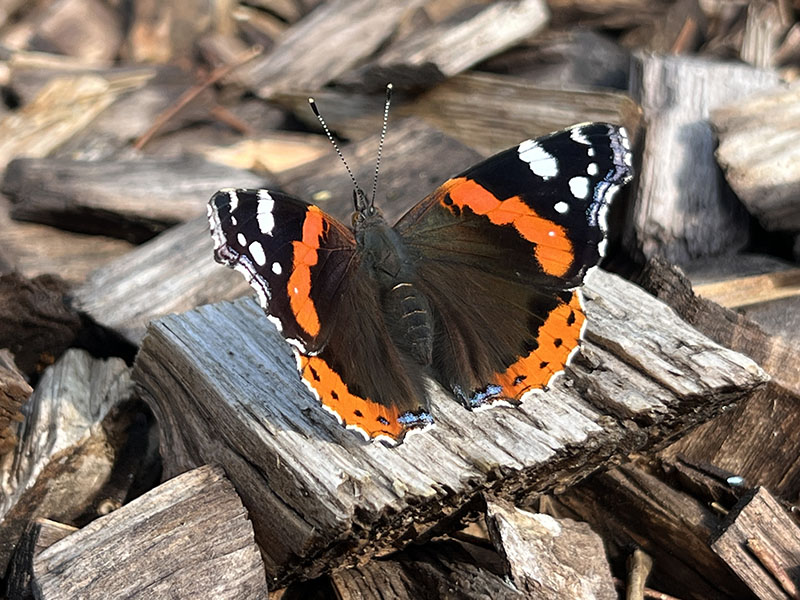
The species lists are designed for enthusiasts who already have some skills in species identification – but perfect accuracy is not required! It is sufficient for the observer to identify species within their selected group to the best of their ability and record all species they recognize.
Complete Lists can already be submitted using the Mobile Notebook app or via the Laji.fi website, both operated by the Finnish Biodiversity Information Facility. With the app, observations can easily be submitted directly from the field during the outing. Species lists are available for insects, plants, fungi, reptiles, and amphibians. For example, there are two plant lists: subarctic plants and large-flowered plants. The latter includes easily noticeable flowering plants, while the subarctic list focuses on species found in fell areas. Insect enthusiasts can fill in lists for dragonflies, Finnish butterflies, diurnal moths, and bumblebees. In addition to the observations themselves, observers also record observation effort – how much time was spent observing. When such data is gathered across different locations, time periods, and varying levels of effort, it can be used, for example, to model species abundance.
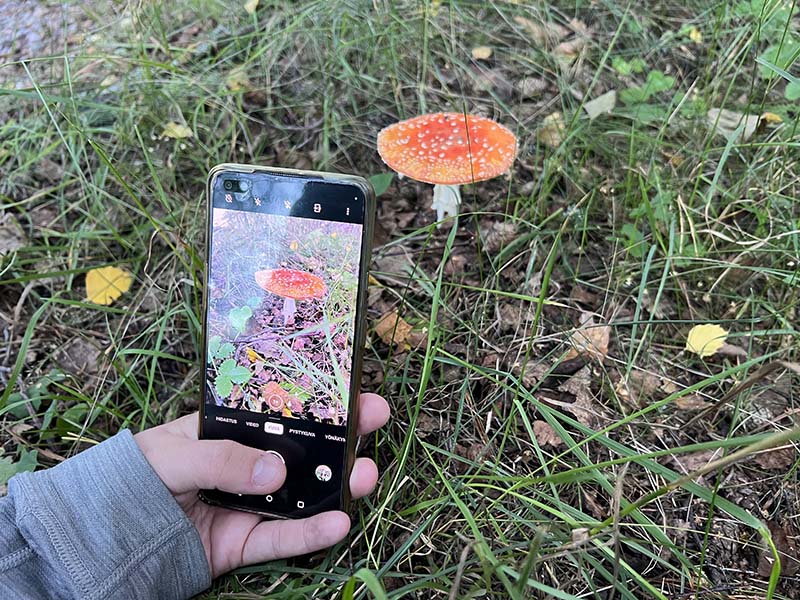
Within the Priodiversity LIFE project, we continue to develop the Complete Lists method by expanding it to new organism groups, increasing awareness of the method, and strengthening its role in biodiversity monitoring. At the same time, we are improving data analysis methods so that the collected data can be even more useful for both research and nature conservation.
Eija-Leena Laiho, IT Specialist
Finnish Museum of Natural History, University of Helsinki
Priodiversity LIFE offers solutions to halt nature loss. The project gathers a wide range of committed operators who together have the chance to find the most impactful and cost-efficient ways to stop nature loss in Finland. In the project we will create requirements to make halting the nature loss into a new skill for Finnish entrepreneurs, and to make Finland an expert on international scale. Priodiversity LIFE is coordinated by Metsähallitus Parks and Wildlife Finland.
Priodiversity LIFE – for halting biodiversity loss (metsa.fi)
