An extensive weather and ocean conditions study conducted off Korsnäs, in 2023–2025, produced important information for further planning of the project. Measurements conducted in the project area accurately mapped the wave conditions, sea currents, water level fluctuations and ice conditions in the area. In addition, electrical conductivity, turbidity and temperature of the water were measured.
Weather and ocean conditions studies are a key part of the planning of offshore wind farm projects, as waves, water level, sea currents and ice affect, among other things, the loading and fatigue of structures, the accessibility of offshore wind farms, vessel operations, as well as subsea cables and sediment transport. The study was carried out as part of the preparation of the offshore wind farm project, and its aim was to collect accurate physical data to support the planning, permit processes and engineering design of the project. The main goal was to understand how the sea behaves throughout the year and ensure that future turbines can operate safely and reliably.
The measurements were carried out by Partrac Ltd, which was responsible for the installation, maintenance and quality assurance of the measuring instruments throughout the study period. Measuring instruments placed in three different locations generated comparable and reliable data on how conditions in the study area varied across different depths and during different seasons.
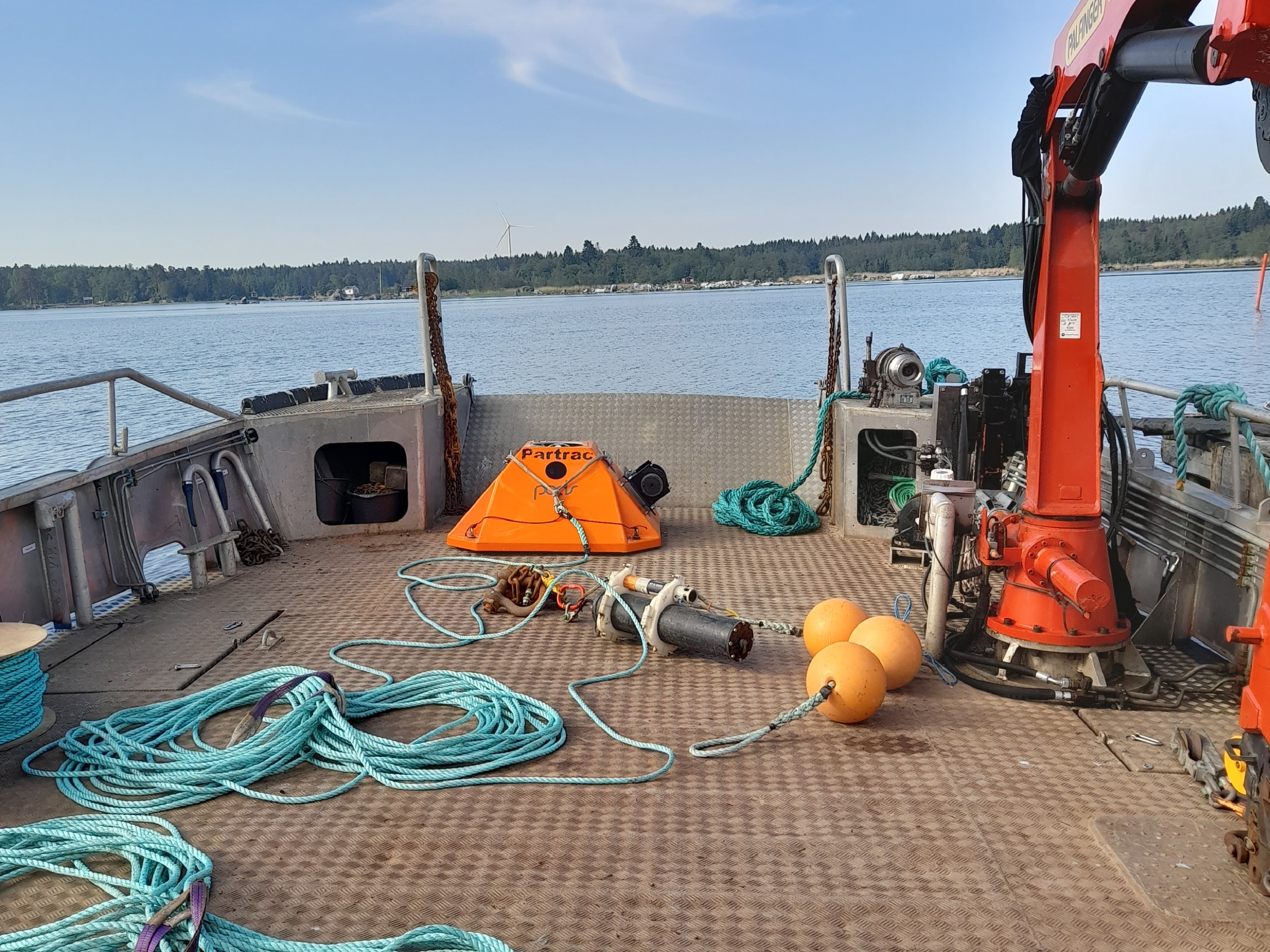
Construction of offshore wind farms in icy conditions requires special planning, as ice loads, ice movements and pack ice have a significant impact on the durability of structures, installation planning and downtime. According to Vattenfall’s Metocean Engineer Jose Rafael Meza Padilla, the project marks an important milestone for the company in Bothnian sea conditions: “This is our first project in which ice conditions have been studied so extensively. The northern location introduces special requirements, making local measurement data invaluable.”
According to the results, the waves in the area are mostly moderate, and the sea currents are weak, intensifying mainly during winter storms. Water level fluctuations are common on the Baltic Sea scale. The conditions are largely similar to those found at other offshore wind farm locations in the Baltic Sea.
Particularly valuable information was obtained on ice conditions. In deeper areas, there was less ice formation, while fast ice and, in places, ridged ice occurred near the coast. Data collected during two winters provides the planners with important information on ice thickness, movements and how ice reduces wave energy. “Ice behaviour varies greatly even over short distances. The data now collected helps us calculate and design the structures of offshore wind farms correctly and, above all, safely,” explains Meza Padilla.
The study confirms that the marine and winter conditions offshore Korsnäs are well within what can be managed through careful design and planning. This extensive dataset adds to the case a strong decision‑making foundation to continue with the preparations for the offshore wind farm.