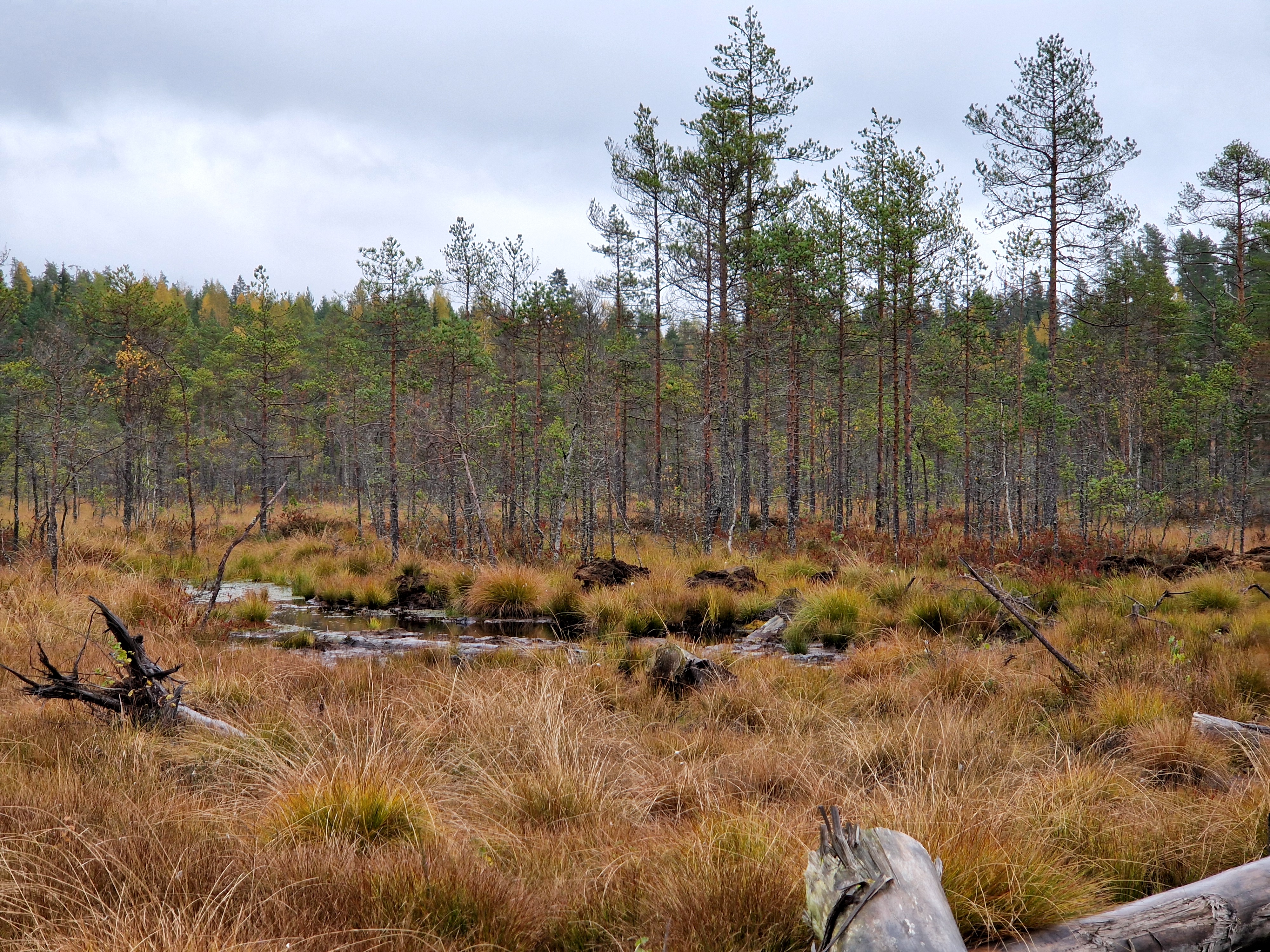
In 2025, Metsähallitus Forestry Ltd and Sweco carried out Finland’s first quality monitoring pilot for mire restoration. The results indicate that restoration work at Forestry Ltd’s sites mainly meets the criteria for good quality, but the implementation of restoration structures, for example, would require more detailed guidelines.
In the 2020s, more than 10,000 hectares of mires have already been restored in the sites of Forestry Ltd, which operates in state-owned multiple-use forests. This has increased the need for quality assurance and monitoring.
The aim of the pilot was to obtain an independent assessment of the success of the restoration work and to identify areas for improvement in planning, guidelines and contracting. The monitoring was based on the Assessment and Reporting Guidelines for Mire Restoration commissioned from Tapio Oy and carried out jointly. The pilot was implemented by Sweco.
“Quality monitoring provides us with information to assess the success of restoration projects and the quality of the work, as well as to develop guidelines for contractors,” says Antti Nurmi, quality manager at Metsähallitus Forestry Ltd. “In Finland, we constantly need more concrete ways to improve the state of mire nature and control biodiversity loss. The pilot showed that restoration work is largely successful and that water can be returned to the mires. The forestry contractors’ quality of work is neat, external areas are spared from water, and nature sites and water bodies in the area have been well considered. The mires begin to return to their natural state even in a short period of time,” says Tiina Heikkinen, Ecology Specialist at Sweco.
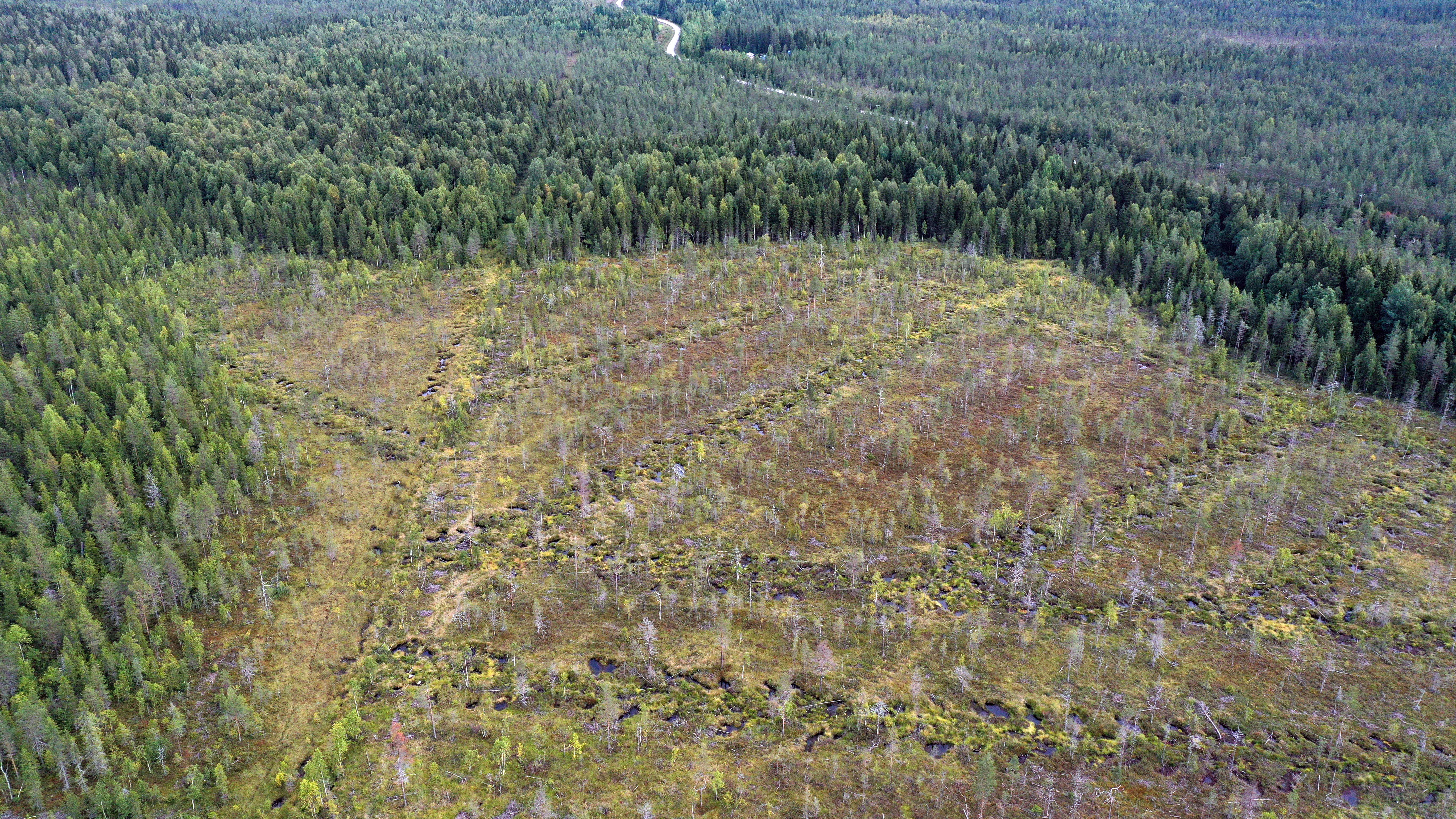
The pilot identified both strengths and areas for improvement: the implementation of structures requires clearer guidelines
The pilot examined seven sites around Finland. The terrain visits included an assessment of the natural state of water management, the functioning of structures, consideration of nature sites and compliance with plans. The results showed that restoration work mainly meets the criteria for good quality.
“It was particularly encouraging to note that the restoration did not affect the landscape and the planning was successful: even though parts of the mires saw a rapid rise in water levels, this had not caused any harm to nature sites in the area,” says Antti Nurmi from Metsähallitus Forestry Ltd.
Important areas for improvement were also identified:
“Deficiencies were observed especially in the implementation of surface embankments, so we found it necessary to better ensure that the guidelines reach the implementers and that the guidelines on restoration structures are sufficiently clear,” Nurmi continues.
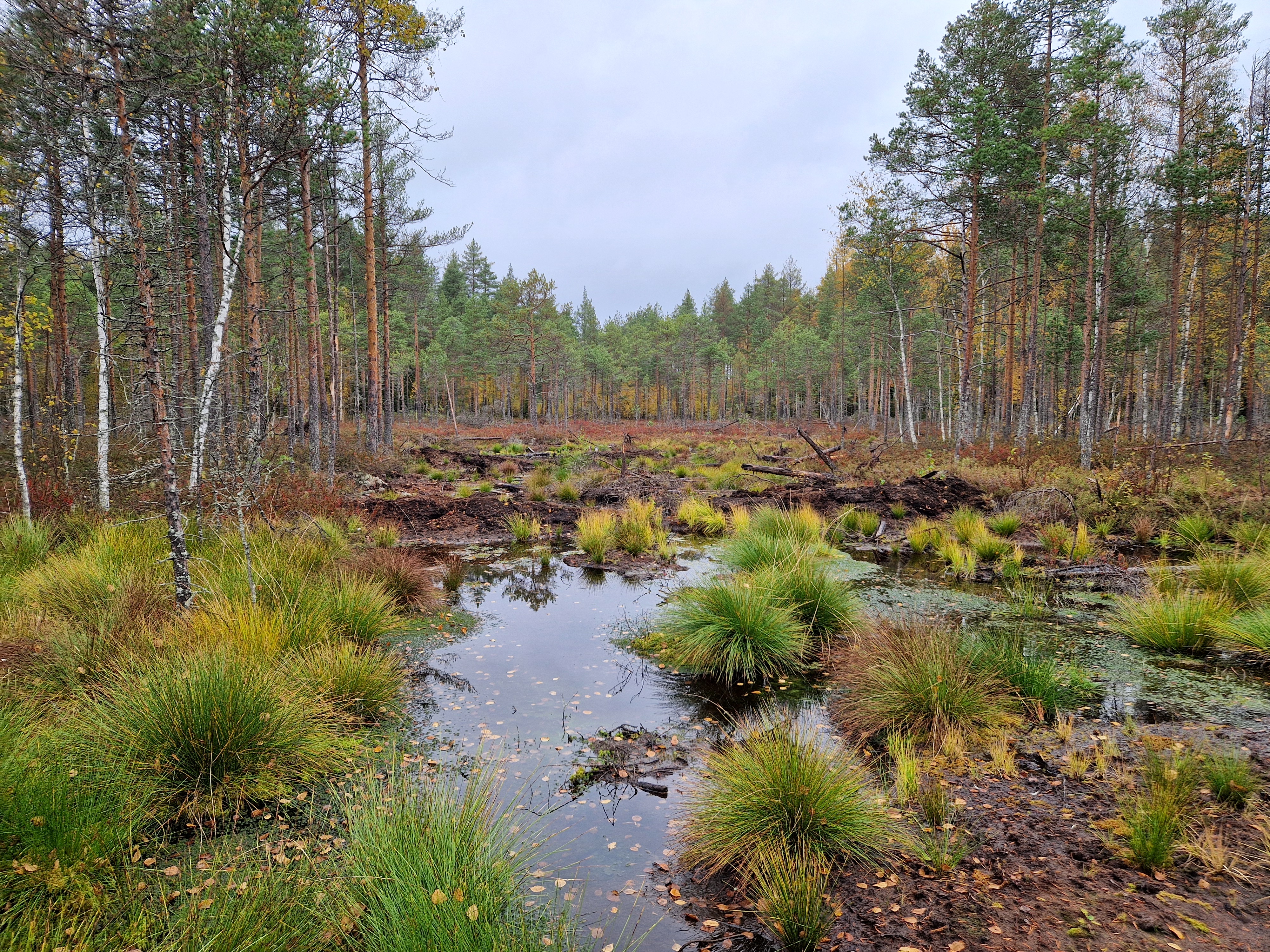
Parks & Wildlife Finland has already before monitored restored mires using the management monitoring method, in which the features of the mire are assessed mainly by visual inspection. The quality monitoring guidelines now developed for the needs of Forestry Ltd also assess the plan and the quality of the contract.
According to Sweco, based on the experience from the pilot, the guidelines can also be applied in other restoration project monitoring.
“In restoration quality assessment, the first years tell us a lot about how the ecosystem starts to recover. The guidelines now tested provide a tool for quality assessment to be utilised in a versatile manner in other restoration projects as well,” says Tiina Heikkinen from Sweco.
Forestry Ltd monitors the results and success of the work by carrying out environmental monitoring. The aim of the monitoring is to ensure that environmental requirements are implemented in practice and that instructions have been followed in the planning and implementation. Environmental monitoring also serves as an important indicator for PEFC certification reporting.
Forestry Ltd performs annual mire restorations in state-owned multiple-use forests in an area of approximately 1,500 to 2,000 hectares. In state-owned protected areas, mire restoration is carried out by Parks & Wildlife Finland.
Further information:
Antti Nurmi, Quality Manager, Metsähallitus Forestry Ltd
antti.nurmi@metsa.fi
tel. 0407151741
Tiina Heikkinen, Ecology Specialist, Sweco
tiina.heikkinen@sweco.fi
Metsähallitus is a state enterprise that manages one third of Finland’s land and water areas. The mission of Metsähallitus aims to foster the value of nature and shared wealth in a responsible manner across generations. Almost 1,000 Metsähallitus employees all over Finland are responsible for the sustainable use, management and protection of these land and water areas, reconciling different needs and expectations. www.metsa.fi
Metsähallitus Forestry Ltd not only manages state-owned commercial forests but also secures timber production, protects biodiversity, meets customer needs, provides preconditions for the multiple use of forests and promotes climate change mitigation and adaptation.
Sweco plans and designs tomorrow’s sustainable communities and cities. With the collective knowledge of our 23,000 architects, engineers and other experts we work together with our clients to facilitate the green transition, maximise the potential from digitalisation and strengthen the resilience of our communities. Sweco is Europe’s leading architecture and engineering consultancy, with sales of approximately SEK 32 billion (EUR 2.9 billion) in 2025. The company is listed on Nasdaq Stockholm. www.swecogroup.com