Offshore wind power is no longer just a topic for press releases and news headlines. Today, the full arc of project development is being brought into classrooms. Offshore wind will play a central role in enabling the green transition over the coming decade. The students currently in upper secondary education will be the ones shaping and solving these challenges in their future working lives. To support this, Metsähallitus has created a new learning material that makes offshore wind project development both understandable and experiential. The material was piloted on 12 March at Närpiö Upper Secondary School.
Game-based insights and the power of collaboration
The lesson began with a visual overview of the phases of an offshore wind project. After the introduction, students tested the offshore windgame, where tasks follow the project development cycle – from permitting and environmental impact assessment to construction and electricity generation. The session continued with the “Nya vindar “escape room challenge, where students solved offshore wind–related tasks under time pressure.
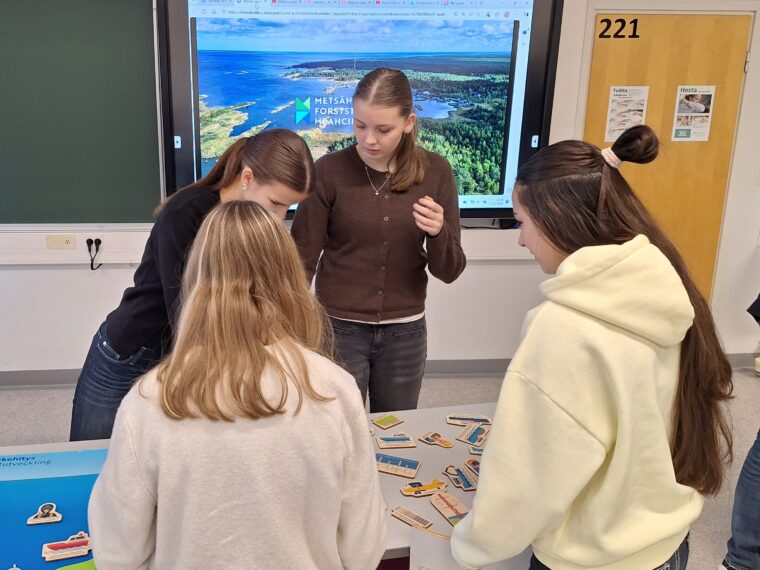
Students immersed themselves fully in the activities. Group work was praised, and the game-based approach was seen as both motivating and informative. “This was different from a normal lesson. You really had to think about how offshore wind works and what needs to be considered,” one student reflected.
Making the green transition tangible
According tothe originator behdind the learning material, Metsähallitus’ wind power specialist Kukka-Maaria Kallio, the material brings energy-sector phenomena closer to young people’s everyday lives. Offshore wind project development is a multi-phase process, and the game-based structure helps students understand it as a coherent whole. At the same time, it opens up discussion about how Finland will produce energy in the future.
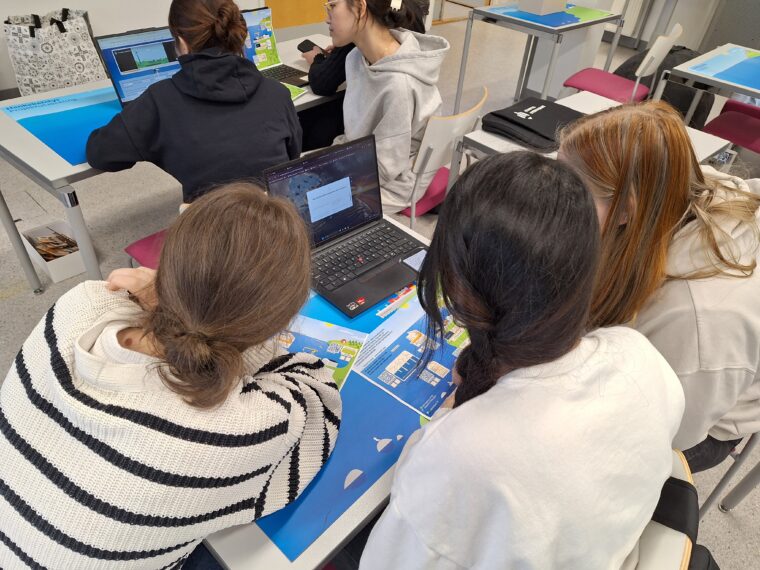
“Young people’s learning games and materials on energy topics are becoming more common. Other organisations have also developed game-based content for this age group. I would say that clarity and gamification appeal not only to young users but also to adults. Informative, visual and interactive content helps us grasp complex issues through experience. Experiential learning creates a positive and active memory trace that supports understanding and retention,” Kallio explains.
The material will next be presented at the ULOS-UT-OUT event in Tampere
The next opportunity to explore the material will be in May at the ULOS-UT-OUT (UUO) event in Tampere, where Metsähallitus is one of the organising partners. At the event, Metsähallitus will highlight themes such as wind and offshore wind power, responsible outdoor recreation, water management, and wellbeing and safety. ULOS-UT-OUT is Finland’s largest outdoor learning event, bringing together hundreds of teachers, educators, instructors, decision-makers, researchers and students. The event is organised in three languages and through extensive national and international cooperation. The aim is to strengthen young people’s understanding of the importance of offshore wind power and to support teaching with timely and concrete content.
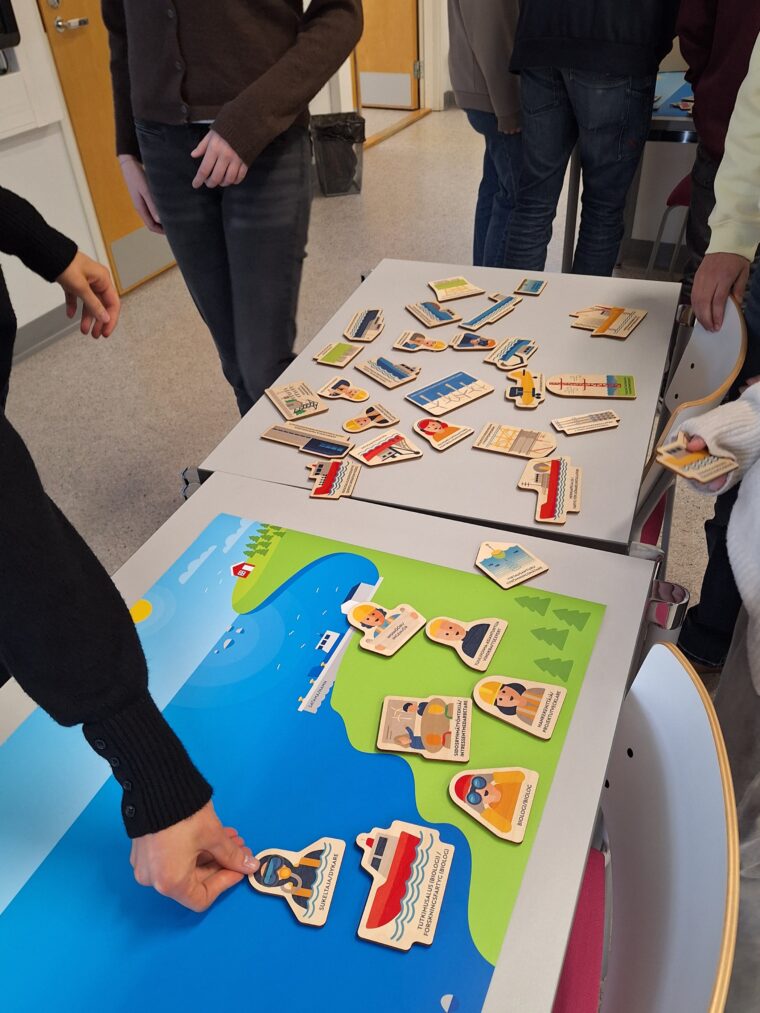
“When young people get to explore and discover for themselves, the phenomena of the energy sector become vivid and engaging. We need the experts of tomorrow – all the sharpest pencils in the box – to tackle the major challenges of climate change and sustainable energy production. In line with Metsähallitus’ slogan, this is exactly what we strive for. We foster tomorrow,” Kallio concludes.exactly what we strive for. We foster tomorrow,” Kallio concludes.