We make the Baltic Sea happier
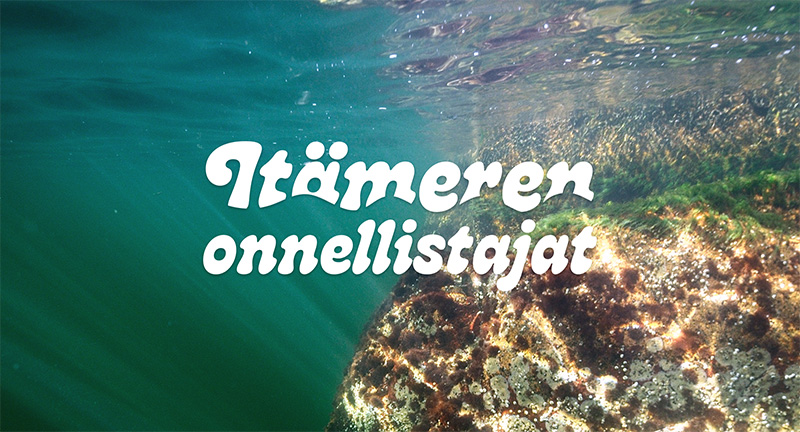
Our Baltic Sea and its nature are unique. However, our sea is facing many threats, such as climate change and human activities. There is still hope!
The Biodiversea project (2021–2029) is Finland’s most considerable effort to safeguard the biodiversity of the Baltic Sea. The joint project of eight organisations brings together experts and their expertise for the Baltic Sea.
To help the Baltic Sea, you do not need to be a biologist. Everyone can do their part! We need everyone’s contribution to halt biodiversity loss in our Baltic Sea. See the tips below for what you can do for the Baltic Sea and marine nature!
What you can do for the Baltic Sea
Drive slowly in the archipelago
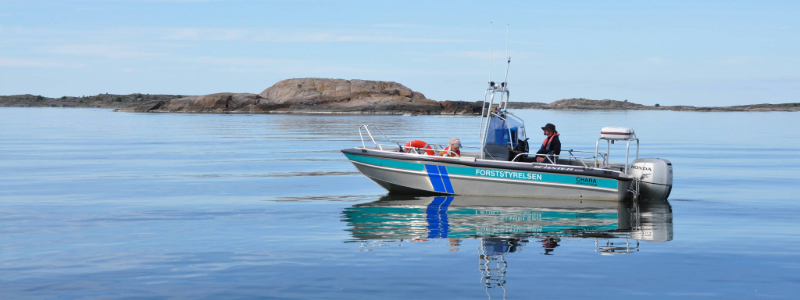
When you reduce your boating speed, you protect nature! A lower driving speed produces less noise, both under and on the surface and alters the seabed less. Therefore, slow down, especially in marine nature reserves. Read more about the boating etiquette (luontoon.fi).
Join our network of maritime actors
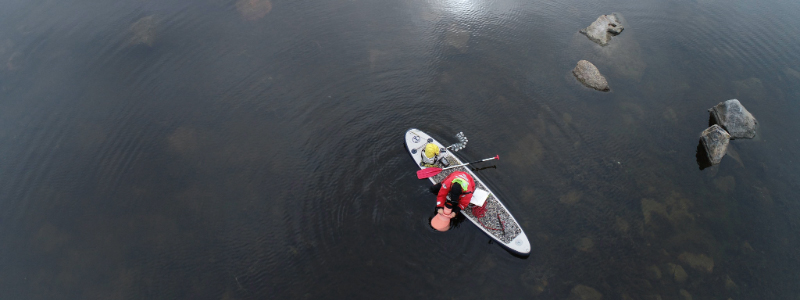
Meriverkko Network is an open and free cooperation network for parties interested in Baltic Sea marine nature and its conservation. The Sea Network works for marine nature by sharing up-to-date information on the Baltic Sea and by promoting cooperation and networking between coastal and maritime actors. Join in the activities of the Sea Network (link.webropolsurveys.com, in Finnish).
Help researchers and report your litter observations

Observations reported to the Rosgis service around Finland can be used to determine and block the pathways of litter into nature. Join in and report your litter observations at rosgis.syke.fi web service and help researchers. Also collect the trash if possible!
Report catch data on recreational fishing
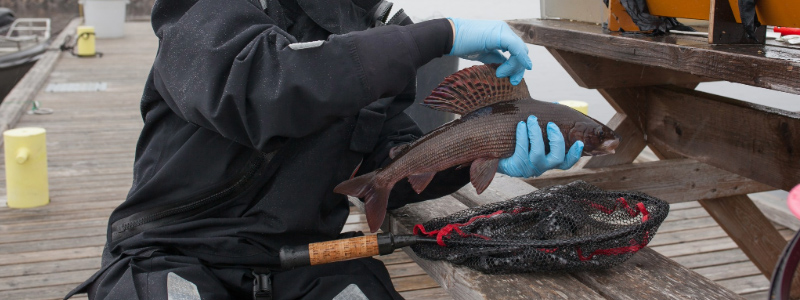
The Omakala service implemented by the Natural Resources Institute Finland (Luke) allows recreational fishermen to report their catch data. The data is used by research institutes and the authorities in decision-making and as a tool in the planning of sustainable use of fish stocks. In sea areas, information on the European grayling (Thymallus thymallus) is particularly interesting. Report your catch data (omakala.fi).
Report harbour porpoise observations
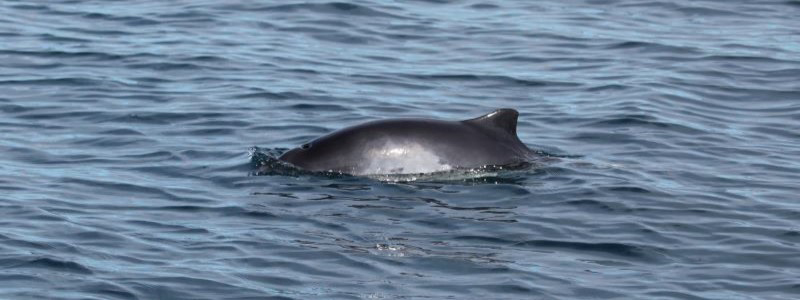
Did you know that the Baltic Sea is home to a whale species? The population of the critically endangered harbour porpoise (Phocoena phocoena) is estimated to be only around 500 individuals. While Turku University of Applied Sciences studies the harbour porpoise by means of acoustic monitoring, citizen observations are also utilised in population estimates. Therefore, if you notice whale-like movement in the Baltic Sea, report your observations (loydos.luomus.fi).
Preserve the natural state
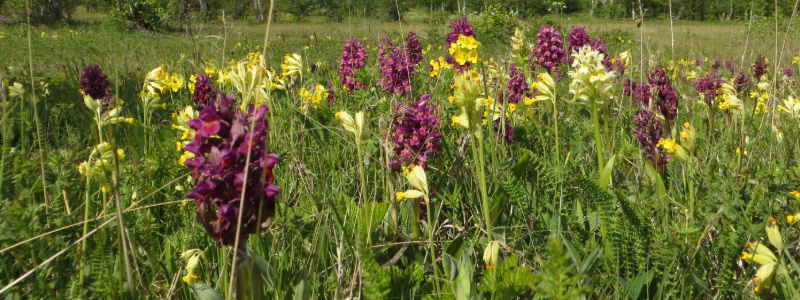
A natural environment maintains biodiversity. Clean up the litter, but allow the flowers flower and the wild nature bloom. Nature thanks you for minimising the raking of leaves and mowing the lawn.
What does the seabed tell about the Baltic Sea?
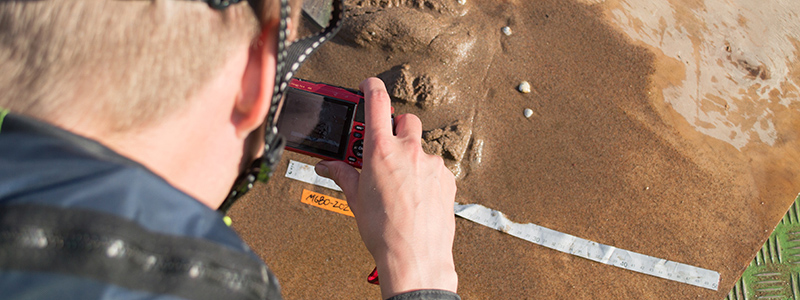
More is happening at the bottom of the Baltic Sea than you think. Mounds, deeps, sediments and rocks. Marine geologists take a deeper look under the surface so that we can better understand the marine environment and know how to use marine areas more wisely. Read more about the work of the Geological Survey of Finland (gtk.fi).
Become a marine conservationist together with BSAG
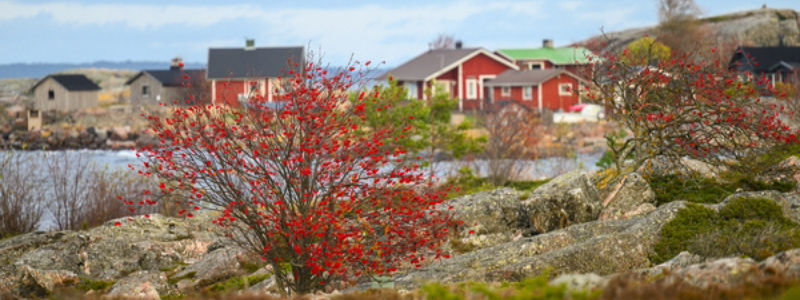
The Baltic Sea Action Group helps water area owners protect their valuable waters. The diversity of underwater species is often the richest in the shallow coastal waters of the archipelago. Archipelago residents and cottage owners can help the Baltic Sea by establishing private marine conservation areas. Read more about the activities of the Baltic Sea Action Group (bsag.fi).
Share your Baltic Sea moments on Instagram with hashtag #Biodiversea and tell others what they can do for our shared Baltic Sea!
Last updated 9 January 2026